
In the digital era, the architecture of trust has undergone a radical transformation. Blockchain technology, once a niche concept behind digital currencies, has emerged as the definitive framework for modern data integrity. At Novoblockpsi, we explore how these decentralized systems redefine the way we exchange value, verify identities, and secure global supply chains. Understanding blockchain requires a deep dive into its core components: Distributed Ledger Technology, cryptographic principles, and the logic of smart contracts.

Deciphering Distributed Ledger Technology (DLT)
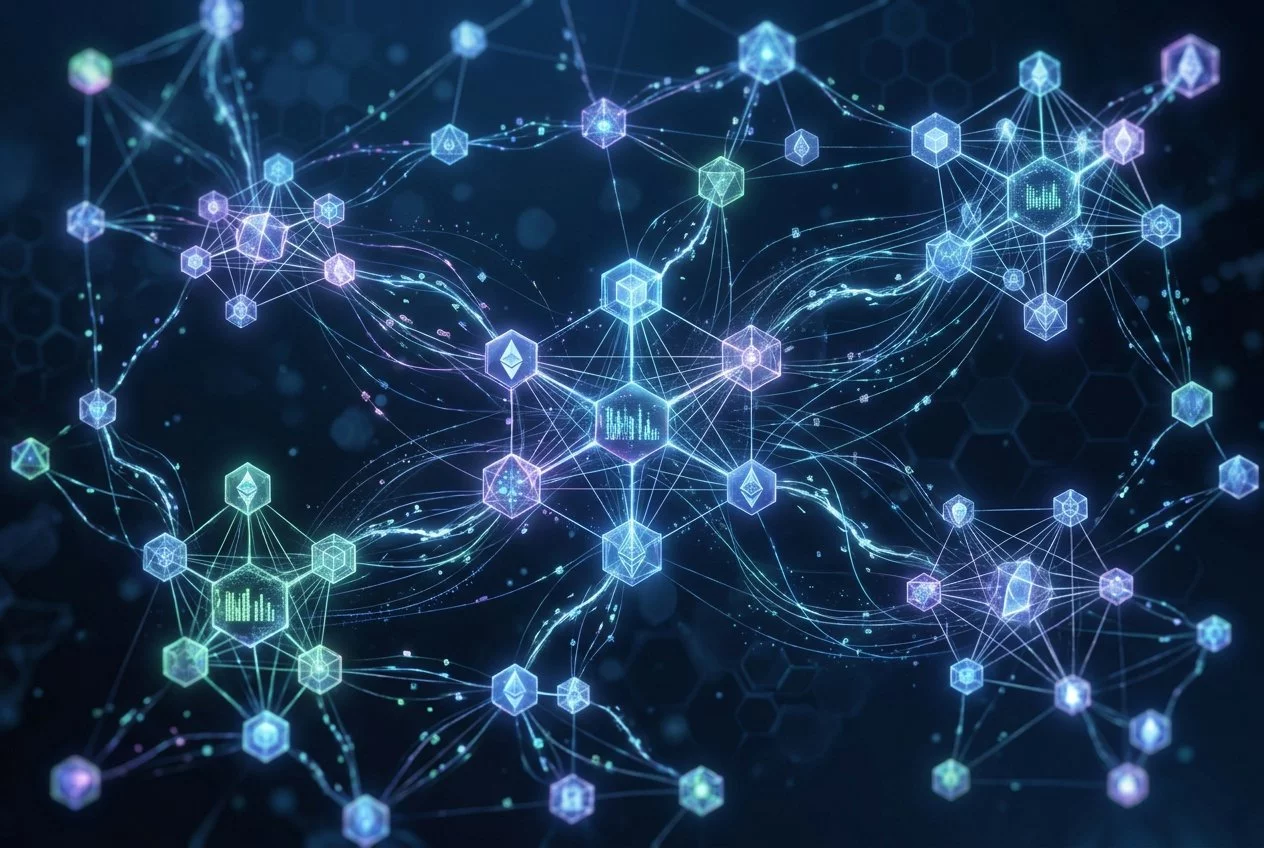
Distributed Ledger Technology is the broader category under which blockchain resides. Unlike traditional databases managed by a central authority, DLT utilizes a consensus mechanism among multiple participants to validate and record transactions simultaneously across a network. This synchronization ensures that every node possesses an identical copy of the ledger, making unauthorized alterations virtually impossible. The elimination of a single point of failure is not just a technical upgrade; it is a fundamental shift in systemic resilience.
- Transparency: Every participant can view the history of transactions.
- Immutability: Once recorded, data cannot be deleted or modified without network consensus.
- Decentralization: Control is distributed among multiple nodes rather than a central entity.
- Efficiency: Direct peer-to-peer verification removes the need for costly intermediaries.
Cryptography: The Unbreakable Foundation
Trust in a decentralized environment is not based on human relationships but on mathematical certainty. Cryptography serves as the bedrock of blockchain security. Through the use of hash functions, each block of data is linked to the previous one, creating a chain that is computationally expensive to break. This cryptographic hashing ensures that any attempt to tamper with a single bit of information would change the hash of the entire block, alerting the network immediately.
Asymmetric Encryption and Digital Signatures
Digital signatures allow users to prove ownership and authorize transactions without revealing their private credentials. By utilizing public and private key pairs, blockchain systems ensure that only the rightful owner can initiate a transfer. This mechanism provides high levels of privacy and security while maintaining the auditability required for regulatory compliance. In our training programs, we emphasize the critical role of key management as the first line of defense against cyber threats.

Smart Contracts: Programmable Trust
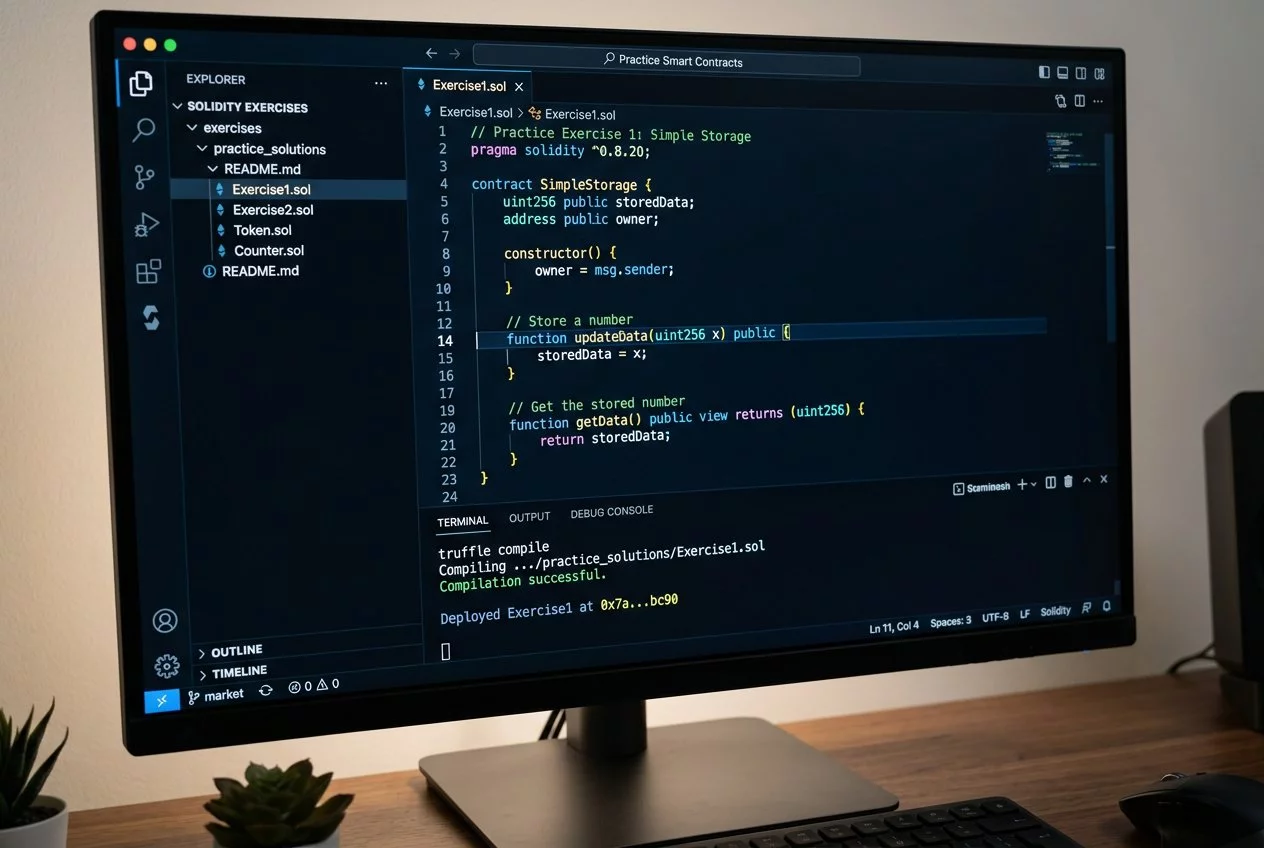
One of the most powerful applications of blockchain is the smart contract. These are self-executing agreements with the terms of the contract directly written into lines of code. When predefined conditions are met, the contract automatically executes the transaction, whether it is a payment, a property transfer, or the release of data. This automation reduces the risk of human error, lowers administrative costs, and accelerates business processes across industries from insurance to real estate.
Industry Security and Best Practices
As blockchain adoption scales, the industry must address emerging security challenges. While the core protocol might be secure, the surrounding ecosystem—including exchanges, wallets, and smart contract code—often remains vulnerable. Security auditing and formal verification of code are essential steps for any enterprise-grade deployment. We teach our students to recognize common vulnerabilities such as reentrancy attacks and integer overflows, ensuring they build robust and secure decentralized applications.
In conclusion, the integration of blockchain into global infrastructure is not merely a trend but a necessary evolution. By mastering the complexities of DLT, cryptography, and smart contracts, professionals can lead the transition toward a more transparent, secure, and efficient digital economy. Novoblockpsi remains committed to providing the educational resources needed to navigate this complex landscape safely and effectively.